PennHip
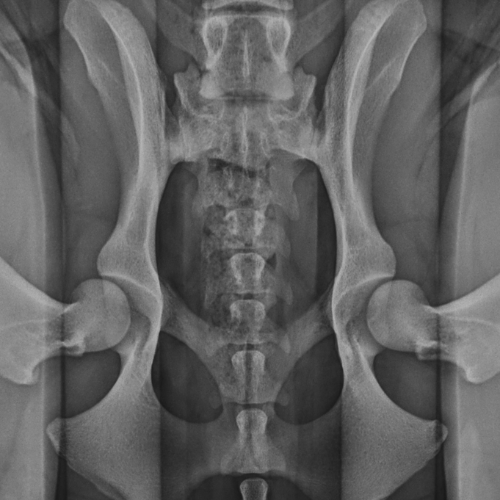
PennHIP is a specialised radiographic method for assessing hip joint laxity, giving a more precise measure of hip dysplasia risk than traditional hip scoring.
It provides a distraction index (DI) which represents the degree of hip laxity. This is a valuable tool for breeding decisions and for identifying at-risk joints early, well before clinical signs appear.
What is Hip Dysplasia?
Hip dysplasia is an abnormal development of the hip joint, where the ball and socket don’t fit or grow together properly. Over time this can lead to joint laxity, wear, and osteoarthritis, causing pain and reduced mobility, particularly in larger breeds.
What are the PennHip radiographs?
PennHIP involves three radiographic views taken under sedation or anaesthesia: a standard hip-extended view, a compression view, and a distraction view. The distraction view is unique to PennHIP and is used to calculate the distraction index (DI).
Can any vet perform PennHip radiographs?
PennHIP radiographs must be taken by a vet with PennHIP certification, as correct positioning and use of the distraction device are essential for an accurate, reliable result. The PAUS team are fully trained and certified for performing PennHIP radiographs.
What patients are eligible for PennHIP?
Dogs can be evaluated from as young as 16 weeks of age, most commonly between 4 months and 2 years for early screening, or at any age for diagnostic purposes in patients showing signs of hip dysplasia. As sedation or anaesthesia is required, patients need to be fit for a short procedure.
Elbow Scoring
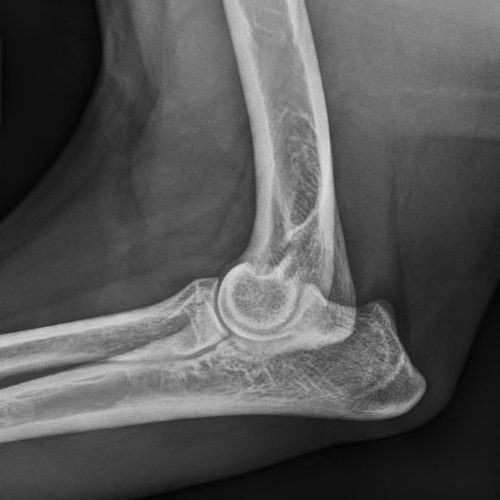
Elbow scoring involves a series of radiographic views to detect signs of elbow dysplasia, one of the more common causes of forelimb lameness in growing and working dogs.
Early detection supports better long-term management and informed breeding decisions.
What is elbow dysplasia?
Elbow dysplasia is a general term for several developmental abnormalities of the elbow joint that can lead to pain, lameness, and early-onset arthritis, most commonly seen in medium-to-large breed dogs.
What are the elbow scoring radiographs?
Elbow scoring typically involves a flexed mediolateral radiograph of each elbow, allowing assessment of the joint for signs of dysplasia such as bony changes around the anconeal process.
What are the elbow grades?
Elbows are graded from 0 to 3 based on the degree of secondary joint changes present, with 0 indicating a normal joint and 3 indicating severe degenerative changes.
What patients are eligible for elbow scoring?


Outpatient Radiography
PAUS offers outpatient radiography for a wide range of conditions, including orthopaedic, thoracic and abdominal imaging.
Radiographs are taken at our clinic and then interpreted by specialists.
What conditions can outpatient radiography help diagnose?
Can ultrasound be performed too?
What will the procedure be?
How long does it take to get a report back?
Have Questions?
Get in touch! We look forward to hearing from you.
Fri: 8:30am–4:00pm
Weekends: via Port City Emergency Vets, (08) 6185 1726
What patients are eligible for elbow scoring?
Elbow scoring is typically performed in dogs from around 12 months of age, once closer to skeletal maturity, though earlier imaging may be appropriate for dogs already showing clinical signs.
Outpatient Radiography
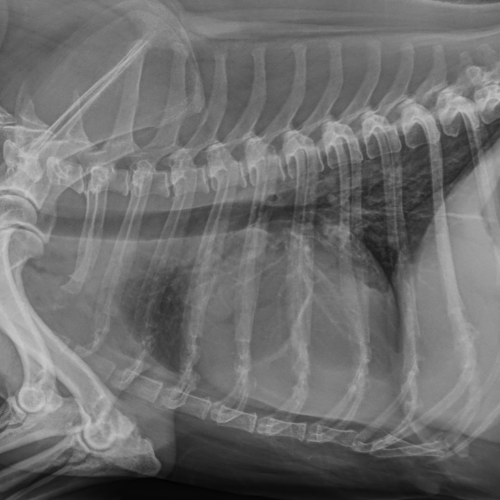
PAUS offers outpatient radiography for a wide range of conditions, including orthopaedic, thoracic and abdominal imaging.
Radiographs are taken at our clinic and then interpreted by specialists.
What conditions can outpatient radiography help diagnose?
Outpatient radiography can help diagnose a wide range of conditions, including fractures, joint disease, thoracic and abdominal abnormalities, and can support ongoing monitoring of a patient’s condition.
Can ultrasound be performed too?
Yes — ultrasound can be performed during the same visit. Just include this in your booking form so we can prepare for both procedures.
What will the procedure be?
How long does it take to get a report back?
Reports are generally available within 24–48 hours.